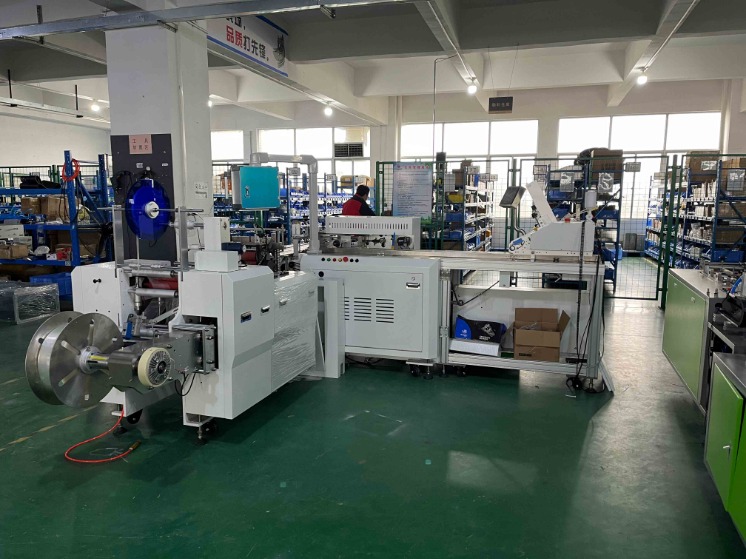
Choosing the right packaging machinery manufacturer can influence ROI through equipment lifespan, production efficiency, maintenance costs, and automation performance. A reliable supplier can help manufacturers achieve 20%–50% higher line efficiency, reduce material waste by 5%–15%, and extend equipment service life beyond 10 years through better engineering and support. Companies that evaluate suppliers based on total operating costs instead of only purchase price often achieve stronger long-term financial results.
Packaging machinery is a long-term production asset rather than a one-time purchase. In many industries, equipment operates 8,000–16,000 hours annually, and even a small difference in machine availability can create large cost differences over a 5–10 year lifecycle.
A packaging line with 95% availability may deliver hundreds of additional production hours compared with a system operating at 85% availability. For manufacturers producing thousands or millions of units each year, these additional hours directly affect output capacity, delivery schedules, and operating expenses.
“Equipment price usually represents only 15%–30% of the total cost of ownership. Maintenance, energy use, downtime, labor requirements, and upgrades account for the remaining investment during the machine lifecycle.”
The manufacturer behind the equipment influences every stage of this lifecycle. Companies with strong engineering capabilities usually provide machines designed around product characteristics, packaging materials, production speed, and factory conditions.
A packaging machine designed without considering actual production requirements may create higher expenses through frequent adjustments, material waste, and longer operator training periods. A customized system can improve production consistency by 10%–30% compared with unsuitable standard equipment in many industrial applications.
The selection process should include several measurable factors:
| Evaluation Area | Typical Impact on ROI |
|---|---|
| Machine availability | 5%–15% improvement can reduce annual downtime costs |
| Material efficiency | 5%–20% reduction in packaging waste is possible |
| Automation level | Labor requirements may decrease by 20%–40% |
| Equipment lifespan | High-quality systems often operate 10+ years |
| Maintenance design | Service intervals can increase by 15%–30% |
These improvements depend heavily on the technical background of the machinery manufacturer. A supplier with experience across food, pharmaceutical, cosmetic, and industrial packaging applications can better match equipment design with production goals.
Machine reliability is one of the largest contributors to long-term ROI. Manufacturing facilities often calculate equipment performance using metrics such as Overall Equipment Effectiveness (OEE), which combines availability, performance, and quality.
For example, improving OEE from 70% to 85% can represent a substantial increase in effective production capacity without adding another production line. Many manufacturers focus on mechanical precision, component quality, and control system stability to achieve these improvements.
“A packaging machine running continuously for 12 hours per day creates thousands of operating cycles every month, making component quality and engineering accuracy important factors.”
Reliable manufacturers typically use industrial-grade components, including servo motors, PLC control systems, precision sensors, and durable mechanical assemblies. These components may increase initial equipment costs by 10%–25%, but they can reduce repair frequency and extend service intervals over several years.
Customization capability also affects financial performance. Different industries require different packaging processes, including filling, sealing, labeling, wrapping, cartoning, and palletizing.
A beverage company running high-speed production may require equipment exceeding 300–600 packages per minute, while a pharmaceutical manufacturer may prioritize accuracy within strict filling tolerances. A flexible packaging machinery manufacturer evaluates these requirements before designing the final system.
Many international buyers compare suppliers by searching for terms such as China packaging equipment factory when evaluating manufacturing capabilities, production experience, and equipment options. However, supplier selection should include engineering support, quality standards, and after-sales capability rather than focusing only on manufacturing location.
Automation technology has changed packaging operations significantly since the early 2010s. Modern systems increasingly include automatic format changes, vision inspection, remote diagnostics, and production data collection.
These technologies can reduce manual adjustment time by 30%–60% and improve packaging accuracy. In facilities operating multiple shifts, automation improvements can produce measurable cost reductions within several years.
| Technology | Application | Possible Improvement |
|---|---|---|
| Machine vision | Product inspection and defect detection | Quality consistency improvement of 10%–30% |
| Automatic adjustment | Faster product changeovers | Setup time reduction of 20%–50% |
| Remote monitoring | Maintenance analysis | Faster troubleshooting response |
| Servo control | Precision movement | Higher repeatability and accuracy |
The financial impact of automation depends on how well the system matches the factory environment. A manufacturer that understands production workflows can recommend appropriate automation levels instead of adding unnecessary functions.
After-sales service is another factor that affects equipment performance throughout its operating period. Packaging machines require regular maintenance, replacement parts, software updates, and technical assistance.
A supplier with local service resources or international support channels can reduce repair time significantly. In industries such as food and pharmaceuticals, where production interruptions may affect thousands of units per day, fast technical support becomes especially important.
“A machine designed for a 10-year service life requires continuous technical support to maintain its original performance level.”
Manufacturers should review service policies before purchasing equipment. Important considerations include spare parts availability, response time, operator training, maintenance documentation, and remote support options.
Energy consumption has also become an important part of packaging equipment evaluation. According to manufacturing studies published during the 2015–2023 period, energy-efficient equipment designs can reduce electricity consumption by approximately 10%–30% compared with older systems.
Packaging machinery manufacturers now optimize motors, pneumatic systems, heating elements, and control software to reduce unnecessary energy use. Lower energy consumption helps companies manage operating expenses while meeting environmental requirements in regions such as Europe, North America, and Australia.
The total ownership cost of packaging equipment should include:
-
Initial equipment investment
-
Installation and training expenses
-
Annual maintenance costs
-
Energy consumption
-
Spare parts requirements
-
Production losses caused by downtime
-
Upgrade requirements after several years
A machine with a lower purchase price may not provide the best ROI if it requires frequent repairs or cannot support future production changes. Many companies analyze equipment over a 5–15 year period because packaging systems often remain in service for more than a decade.
Supplier experience and manufacturing quality should also be evaluated through practical indicators. Companies can review factory production processes, previous installations, customer industries, certification records, and machine testing procedures.
Manufacturers with established quality systems often follow standards such as ISO 9001 for production management and may provide documentation related to safety, electrical systems, and material compatibility.
A packaging machinery manufacturer that invests in engineering, testing, and customer support can help companies achieve more stable production results. Equipment performance is affected not only by mechanical design but also by the supplier’s ability to understand manufacturing requirements.
“The best equipment investment is not always the machine with the lowest price, but the system that delivers consistent production performance throughout its expected operating years.”
Selecting the right packaging machinery manufacturer requires evaluating long-term operating performance, technical support, automation capability, and lifecycle costs. Companies that compare suppliers using measurable factors such as efficiency rate, maintenance frequency, energy consumption, and service response are more likely to achieve stronger ROI from their packaging investments.