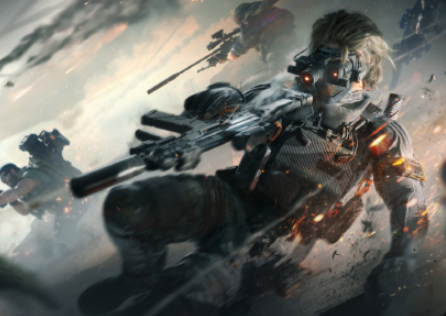
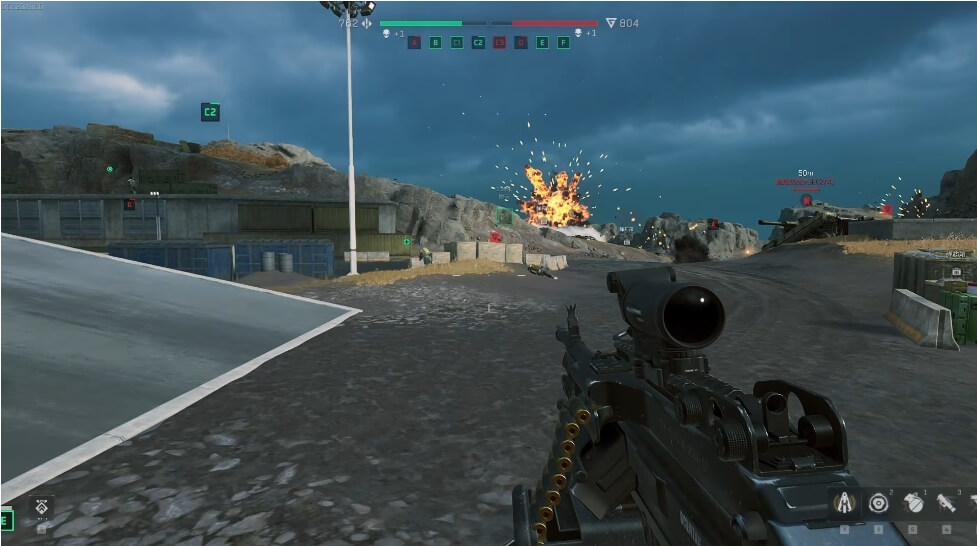
October 3rd marked a critical turning point in our mission. Intelligence reports confirmed that high-value targets—specifically the top brass of local warlord Aidid's organization—were scheduled to convene near the Olympic Hotel in Mogadishu. This rare gathering presented a strategic opportunity that command could not overlook. The intelligence was time-sensitive, requiring immediate action to capitalize on this fleeting window of opportunity.
Operational Parameters
Command issued the directive to apprehend these individuals, emphasizing the necessity of maintaining a low profile throughout the operation. This requirement forced our teams to deploy with minimal equipment and personnel—a "light footprint" approach that would later prove consequential. The operational constraints were clear: swift execution with limited resources in a densely populated urban environment.
Timeline and Tactical Approach
The operation was meticulously scheduled to commence at 1545 hours, with Delta Force designated as the primary assault team responsible for breaching the target building and securing the suspects. The precision timing continued with Rangers deploying exactly one minute later, tasked with establishing and maintaining a secure perimeter around the operation zone to prevent external interference.
Extraction Protocol
A convoy was positioned on standby near the target location, prepared to respond immediately upon Delta's signal. The extraction protocol was straightforward: once Delta secured the objectives, the convoy would advance to the building, load the apprehended individuals, and execute a rapid evacuation from the area. This coordinated sequence was designed to minimize our presence in hostile territory.
Mission Expectations
The operational timeline was ambitiously condensed—30 minutes from insertion to extraction. This article examines an operation predicated on speed and decisive action, with the fundamental understanding that success depended on flawless execution. Our guiding principle remained unwavering: move with urgency, strike with precision, and uphold our sacred commitment that no team member would be abandoned in hostile territory.
The simplicity of the plan belied the complexity of the environment we were about to enter. As subsequent chapters will reveal, the urban landscape of Mogadishu would transform this straightforward mission into one of the most challenging military engagements in recent history.
Deployment and Initial Complications
The Rushed Mobilization
Our teams initiated deployment with practiced efficiency, yet the operation immediately encountered timing pressures. The intelligence window demanded acceleration beyond standard protocols, forcing command to compress preparation timelines. We departed base with the understanding that every minute counted—a reality that manifested in the repeated urgency commands echoing through communication channels. The constant refrain of "Let's go!" characterized our deployment phase, creating an atmosphere of heightened tension even before engagement with hostile forces.
Equipment Constraints and Personnel Challenges
The light footprint approach mandated by operational parameters proved problematic during deployment. Our teams operated with minimal protective gear and limited ammunition reserves—a compromise made in favor of mobility and speed. This article examines how these constraints would later amplify the challenges faced during extended engagement. The deployment phase also revealed personnel issues when one team member failed to successfully fast-rope from the helicopter, missing the rope entirely and falling to the ground below. This incident, occurring before reaching the target zone, served as an ominous precursor to the complications that would follow.
Timeline Deterioration
Perhaps most concerning during deployment was the progressive deterioration of our operational timeline. The mission schedule, already ambitious at thirty minutes total duration, began unraveling almost immediately. Communications captured during this phase reveal mounting concern from command: "All units, increase speed. We're behind schedule." By the time our forces approached the target zone, the operation was already thirty minutes in—matching what should have been our total mission duration according to the original plan. When field commanders inquired about remaining transit time and received the response "Five minutes," the disconnect between planned and actual timelines became alarmingly apparent.
Urban Navigation Complexities
The dense urban environment of Mogadishu presented navigation challenges not fully accounted for in mission planning. Our convoy encountered narrow streets, unexpected barriers, and civilian congestion that impeded progress toward the target zone. These environmental factors contributed significantly to the timeline slippage and complicated coordination between air and ground elements. The urban terrain effectively neutralized many of our technological advantages, forcing teams to adapt tactics while already in motion.
Communication Degradation
As deployment progressed deeper into Mogadishu, communication quality deteriorated noticeably. Radio transmissions became increasingly fragmented, with teams requiring multiple confirmations for critical instructions. The repeated "I read. I say again, I read" exchanges reflected growing concerns about communication reliability. This degradation would prove particularly consequential as the operation transitioned from deployment to active engagement, limiting command's ability to coordinate responses to emerging threats.
The deployment phase, intended as a straightforward insertion of forces, instead revealed fundamental vulnerabilities in our operational approach. These initial complications—timeline pressure, equipment limitations, personnel incidents, navigation challenges, and communication issues—created a precarious foundation for the complex combat operations that would follow. What began as a precisely choreographed military action was rapidly evolving into something far more chaotic and unpredictable.
First Casualties and Emergency Response
The Sudden Escalation of Hostilities
What began as a precision operation rapidly deteriorated when our forces encountered unexpectedly fierce resistance. The first indication of the mission's transformation came with the terse radio transmission: "Two down!" This stark announcement marked a critical inflection point, shifting our operational focus from capture to survival. The casualties occurred approximately forty-five minutes into the operation—already well beyond our planned extraction timeline—when concentrated small arms fire targeted our positions near the Olympic Hotel. Our teams, operating with minimal protective equipment due to the light footprint approach detailed in previous chapters, found themselves particularly vulnerable to the escalating violence.
Triage Under Fire
The medical response to our first casualties demonstrated both the professionalism and limitations of our field medical capabilities. Our combat medics immediately implemented battlefield triage protocols while continuing to face active hostile fire. The severity of the injuries became apparent through urgent communications: "He looks real bad. I need to evac now!" This assessment from our ground medical personnel underscored the life-threatening nature of the wounds sustained and the time-critical requirement for advanced medical intervention beyond what could be provided in the field. The medical team worked under extraordinary pressure, applying emergency treatments while simultaneously coordinating evacuation options.
Convoy Mobilization Challenges
The emergency response necessitated immediate mobilization of evacuation assets, as captured in the transmission: "I need to send out three trucks for the critical casualty." This request revealed both the severity of the situation and the logistical challenges we faced. The convoy, originally positioned for a straightforward extraction of apprehended targets, now needed to adapt to a casualty evacuation mission under hostile conditions. The reconfiguration of vehicles and personnel for this emergency response occurred while maintaining defensive positions against increasingly coordinated attacks from local militia forces. The urgency of the situation manifested in repeated commands: "Let's go! Let's move it!" and "Let's go! Come on!" These communications reflected the mounting pressure as medical personnel recognized the narrowing survival window for our wounded teammates.
Resource Allocation Dilemmas
The emergency response phase forced difficult resource allocation decisions that would influence the remainder of the operation. Command faced the immediate dilemma of whether to abort the primary mission objectives to focus entirely on casualty evacuation, or to attempt parallel execution of both efforts. The transmission "Not enough!" likely referred to insufficient medical resources, evacuation capabilities, or security personnel to manage the evolving crisis. This resource constraint required immediate prioritization decisions with life-or-death implications. Our teams needed to balance the tactical necessity of maintaining security positions with the humanitarian imperative of evacuating wounded personnel.
Communication Coordination Under Duress
Throughout this critical phase, communication discipline remained vital despite the chaos unfolding on the ground. The use of proper call signs such as "Romeo 64" demonstrated our teams' commitment to protocol even under extreme duress. This adherence to communication procedures proved essential as multiple elements—ground forces, medical teams, convoy security, and command—required precise coordination to execute the emergency response. The clarity of these communications directly influenced the speed and effectiveness of our casualty management efforts in an environment where every second impacted survival probabilities.
The first casualties transformed the operational dynamics fundamentally, shifting from an offensive posture to a defensive one focused on personnel recovery and medical evacuation. This phase revealed both the resilience of our teams and the limitations of our planning assumptions. The emergency response initiated during this critical period would continue to evolve as the situation in Mogadishu deteriorated further, setting the stage for the convoy security and evacuation challenges detailed in the next chapter.
Convoy Security and Evacuation Efforts
Tactical Reorganization Under Fire
As the situation deteriorated in Mogadishu, our convoy security posture required immediate reinforcement. The emergency evacuation of casualties had transformed our mission parameters entirely, necessitating a complete tactical reorganization. We faced the dual challenge of protecting our wounded personnel while maintaining sufficient combat effectiveness to navigate through increasingly hostile territory. Command communications reflected this urgent priority shift: "Sergeant! I need extra security on these trucks!" This directive underscored the vulnerability of our medical transport vehicles and the critical importance of their protection. Our convoy, originally configured for prisoner transport, now carried wounded teammates whose survival depended entirely on our ability to secure their evacuation route.
Leadership Initiative in Crisis
The response to the security request demonstrated the initiative critical in combat situations where formal command structures become strained. "I'll go! I'll take my team. Make sure they get back okay." This voluntary assumption of responsibility represented the best traditions of battlefield leadership—recognizing a critical need and immediately committing resources to address it. The officer's decision to personally lead the security detail highlighted both the gravity of the situation and the understanding that experienced leadership would be essential for the convoy's survival. This article examines how such spontaneous leadership decisions, made under extreme pressure, often determine mission outcomes more than formal operational plans.
Convoy Configuration and Movement Protocols
The technical aspects of convoy movement became paramount as we prepared to navigate through contested urban terrain. "Trucker! Your lead truck!" established the critical formation element that would determine the convoy's path and pace. The lead vehicle position carried extraordinary responsibility—identifying threats, selecting routes, and setting the security posture for following vehicles. Our convoy adopted a tight formation to minimize gaps that could be exploited by hostile forces, while maintaining sufficient distance to prevent catastrophic losses from potential explosive devices or ambushes. The command "Follow me!" established both leadership authority and movement discipline essential for coordinated action.
Air Support Coordination
Our ground evacuation efforts benefited from continued air support, though with significant limitations. The communication "Roger that, Uniform 64. We'll chop and keep the gunship to you. Over" confirmed the allocation of precious aerial assets to support our convoy movement. The helicopter gunships provided critical overwatch capabilities, identifying threats beyond our ground-level visibility and delivering suppressive fire when necessary. However, their effectiveness was constrained by the dense urban environment, limited fuel reserves, and the need to avoid civilian casualties. We maintained constant communication with these air assets through designated air-ground liaison channels, coordinating movement and identifying priority targets that threatened our evacuation route.
Medical Continuity During Transport
Throughout the convoy movement, our medical personnel continued life-saving interventions despite the challenging conditions. The vehicles' movement over rough terrain and frequent evasive maneuvers complicated these efforts, requiring adaptations to standard medical protocols. Our medics maintained IV lines, applied pressure dressings, and monitored vital signs while simultaneously preparing for rapid transfer procedures upon reaching secure medical facilities. The convoy's pace balanced the competing priorities of speed—necessary for timely medical care—and caution required for security. This delicate equilibrium demanded constant reassessment as conditions changed along our evacuation route.
The convoy security and evacuation phase represented perhaps the most vulnerable period of our entire operation. Moving wounded personnel through hostile territory required extraordinary coordination between security elements, drivers, medical staff, and air support. The success of these efforts would ultimately determine not just the completion of our mission objectives, but more importantly, the survival of our wounded teammates. As we will examine in the final chapter, the effectiveness of our battlefield communications and team coordination would prove decisive in this most challenging phase of Operation Gothic Serpent.
Battlefield Communications and Team Coordination
Communication Systems Under Duress
Throughout Operation Gothic Serpent, our communication infrastructure faced unprecedented challenges that tested both equipment capabilities and human adaptability. The urban environment of Mogadishu created significant signal interference, with concrete structures and narrow streets degrading radio transmission quality. We experienced critical moments when team elements became isolated due to communication blackouts, forcing reliance on pre-established protocols and individual initiative. Our primary communication network operated on encrypted channels that became increasingly congested as the operation expanded beyond its planned parameters. This article examines how the degradation of clear communication directly correlated with operational complications, particularly when coordinating between ground and air assets during the most intense phases of combat.
Command Chain Adaptations
The extended duration and escalating complexity of the operation necessitated significant adaptations to our standard command structure. As detailed in previous chapters, the initial casualties and emergency response requirements forced a decentralization of decision-making authority. Field commanders implemented the "command by intent" principle when direct communications with headquarters became unreliable. This approach empowered squad leaders to make tactical decisions based on their understanding of the overall mission objectives rather than waiting for explicit instructions that might never arrive through compromised communication channels. The transmission "You're in charge on the ground—make the call" captured this critical shift in command philosophy as the situation deteriorated.
Coordination Between Disparate Elements
Our operation involved multiple specialized units that rarely trained together under such extreme conditions. Delta Force operators, Army Rangers, convoy security personnel, and aviation units each brought distinct communication protocols and operational languages to the battlefield. This diversity of approaches created coordination challenges that became increasingly apparent as the mission extended beyond its planned timeline. We observed instances where terminology differences between units led to momentary confusion during critical exchanges. The integration of these disparate elements required rapid adaptation of communication standards and the emergence of informal liaison roles, where individuals with cross-unit experience served as translators between different operational cultures.
Non-Verbal and Alternative Communication Methods
As conventional radio communications deteriorated, our teams increasingly relied on alternative signaling methods. Hand signals, colored smoke, infrared strobes, and pre-arranged movement patterns became essential components of our tactical coordination. These non-verbal methods proved particularly valuable during the convoy security phase described in Chapter 4, when engine noise and urban combat sounds rendered voice communications nearly impossible. Our helicopter crews developed an impromptu system of aircraft positioning to communicate specific threat information to ground forces when radio clarity failed. These adaptations demonstrated the ingenuity required when primary communication systems prove insufficient under combat conditions.
After-Action Communication Analysis
The communication challenges encountered during Operation Gothic Serpent prompted significant revisions to our tactical communication doctrine. Post-operation analysis identified several critical vulnerabilities in our communication approach:
Overreliance on single-channel communication without sufficient redundancy
Inadequate planning for extended operations beyond initial timelines
Insufficient cross-training between units on communication protocols
Limited contingency planning for urban signal degradation
Incomplete integration of ground-air communication procedures
These findings led to comprehensive reforms in how we prepare for urban combat operations, with particular emphasis on communication redundancy and cross-unit coordination training. The lessons learned during those intense hours in Mogadishu continue to influence modern military communication doctrine, underscoring the critical importance of maintaining information flow under the most challenging battlefield conditions.
The communication and coordination challenges faced during Operation Gothic Serpent revealed both institutional vulnerabilities and remarkable human adaptability. While our formal systems often proved inadequate for the evolving situation, the initiative and resourcefulness of individual team members frequently compensated for these shortcomings. This final chapter completes our examination of an operation that, while falling short of its original objectives, provided invaluable lessons in battlefield communication that continue to shape military operations today.
Top-Up Your Delta Force coins at LootBar.gg
Looking to enhance your Delta Force gameplay without breaking the bank? LootBar.gg offers the most competitive rates for Delta Force top up, allowing you to maximize your gaming budget while enjoying premium in-game content. With discounts reaching up to 20% off regular prices, topping up your Delta Force coins through this trusted platform ensures you're getting the best value for every dollar spent.
Beyond just savings, LootBar's streamlined process makes purchasing Delta Force coins quick and hassle-free. Their secure payment system protects your information while delivering your coins almost instantly, meaning less time waiting and more time dominating in-game. Whether you're a casual player or hardcore enthusiast, LootBar.gg stands as the premier destination for all your Delta Force top up needs, combining unbeatable prices with exceptional customer service.